
 by in
by in
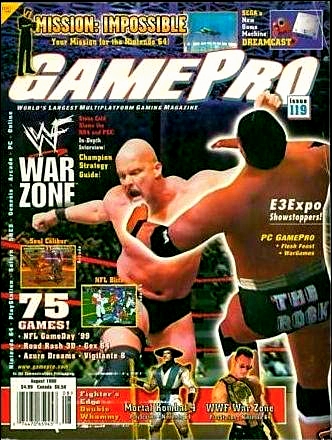
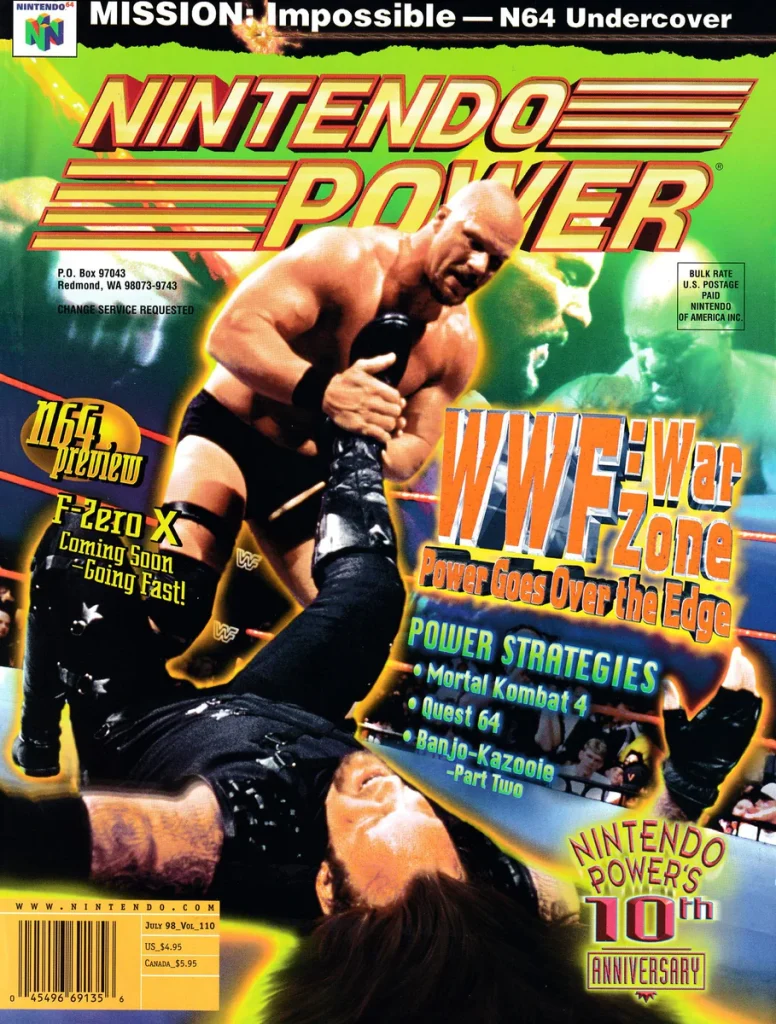
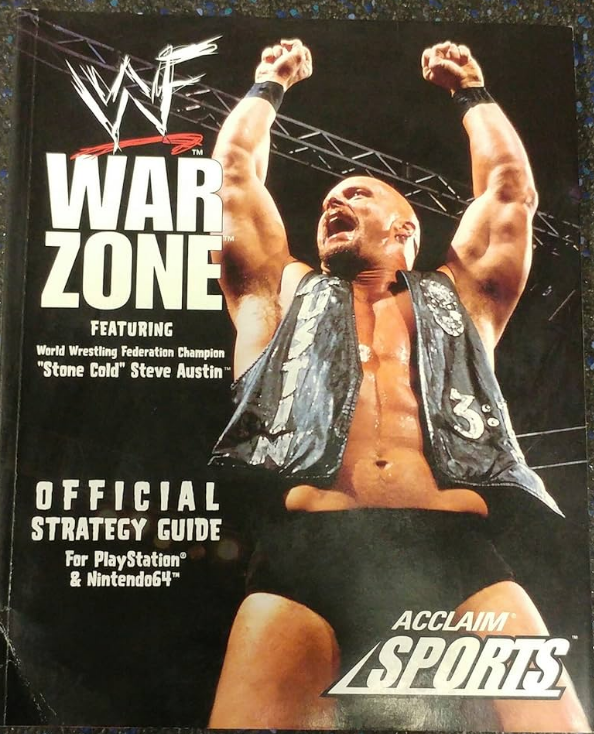
In 1998, right in the middle of the Attitude Era boom, WWF War Zone hit consoles with a level of authenticity wrestling fans had never really seen before. Real superstars, voice clips, create-a-wrestler, and a presentation that tried to mirror WWF television—it felt like the future.
But revisiting it today tells a different story.
What once felt groundbreaking now plays like a rough draft of something better. Still, there’s no denying its place in wrestling game history.
The Presentation: Ahead of Its Time
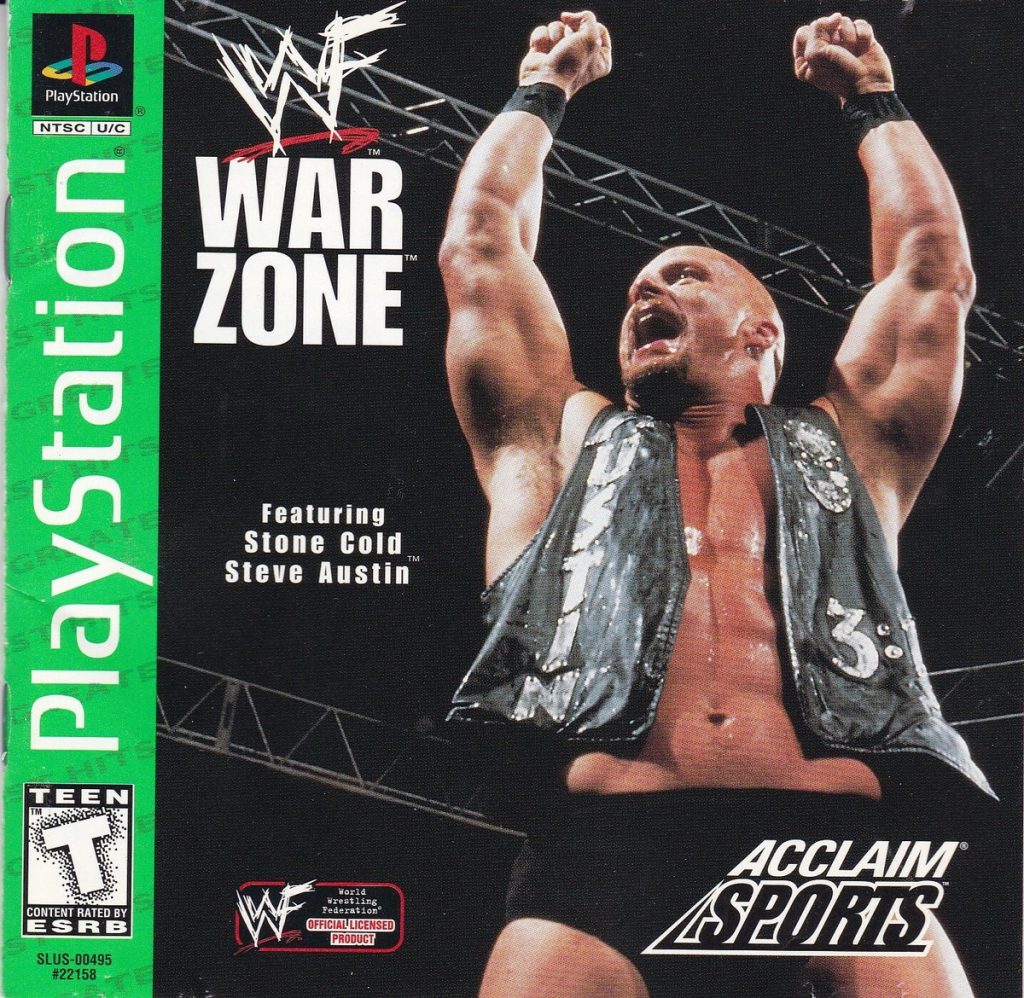
The PlayStation version stands out as the most complete experience. With full-motion video promos, entrance themes, and digitized voice lines from WWF superstars, it gave players something that felt closer to a live broadcast than a typical late-90s sports game.
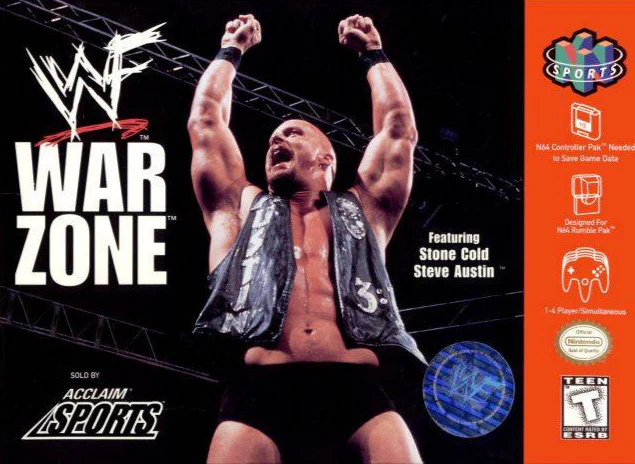
The Nintendo 64 version cleaned up character models and ran smoother in some ways, but sacrificed a lot of that presentation flair. Without the music and video elements, it feels quieter—almost sterile in comparison.
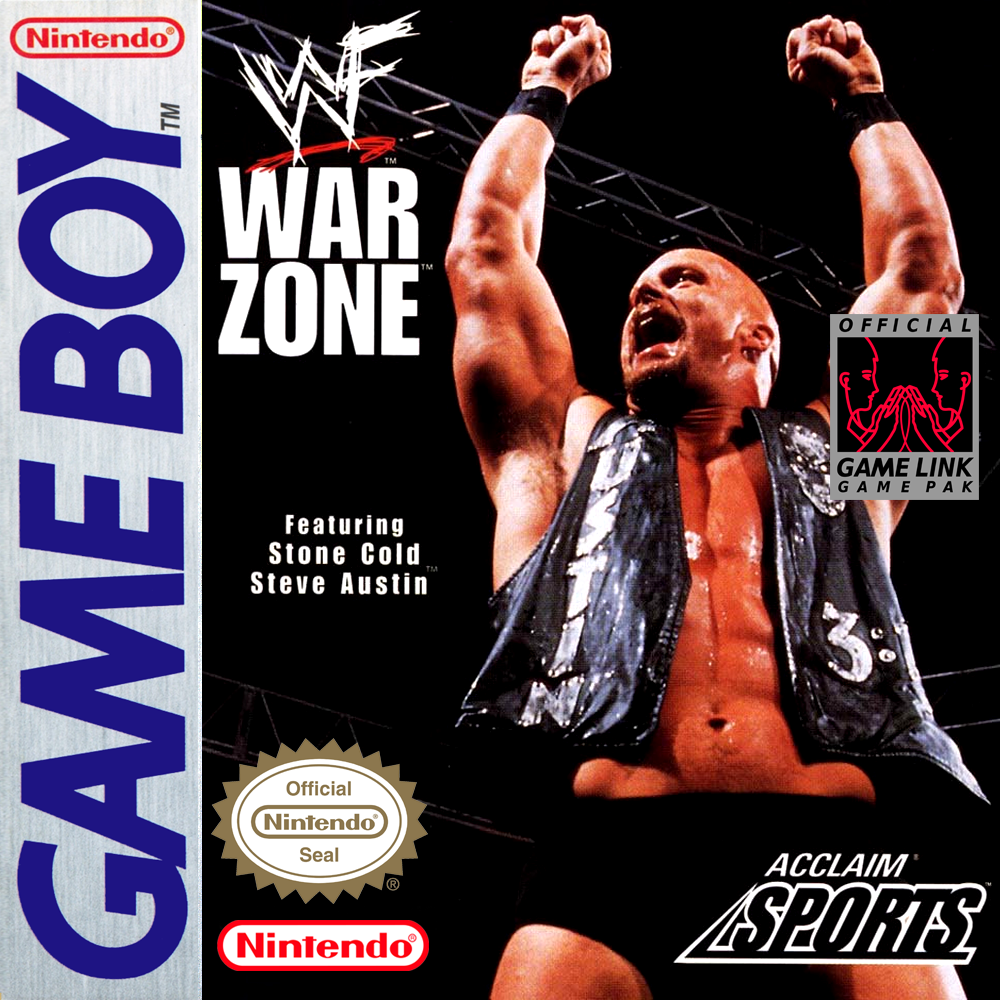
Meanwhile, the Game Boy version deserves some credit just for existing. It manages to translate the look of the game into a handheld format surprisingly well, even if everything else had to be stripped down to make it work.
Gameplay: Where It All Falls Apart
This is where War Zone struggles—hard.
Instead of a simple grapple-and-move system, the game uses a combo-based input mechanic. Every move requires specific button sequences, almost like a fighting game. In theory, this adds depth. In reality, it creates frustration.
Pulling off even basic moves can feel like entering cheat codes under pressure. Matches often turn into awkward standoffs where neither player can consistently execute what they want.
This problem exists across all versions, but feels especially clunky on the N64 controller and downright painful on the Game Boy, where limited inputs make the system even harder to manage. It couldn’t match the popular control scheme of WCW World Tour and WCW vs nWo Revenge.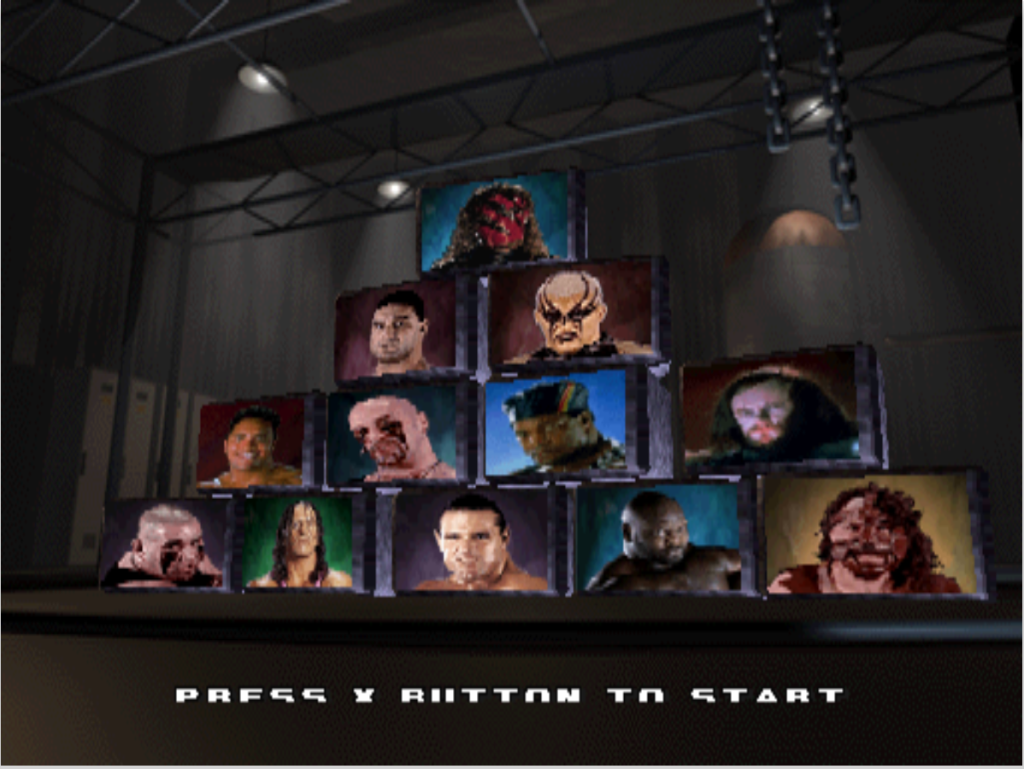
Modes and Features: A Strong Foundation
For all its gameplay issues, War Zone introduced features that would become staples:
Create-a-wrestler
Story-driven grudge matches
A solid roster of Attitude Era stars
Multiplayer modes
The N64 version actually edges ahead here, offering extras like Royal Rumble and Gauntlet modes that add replay value.
At the time, this amount of content was impressive. Today, it’s easy to see this as the groundwork for better games that followed.
Game Boy Version: Ambition Over Execution
The Game Boy version feels more like a curiosity than a serious way to play.
With limited modes, simplified mechanics, and nearly identical movesets across wrestlers, it loses most of what made the console versions appealing. Worse, the already-complicated control system becomes even less responsive.
It’s not completely without merit—it looks decent for the hardware—but it’s hard to recommend beyond nostalgia or collecting.
The Legacy
WWF War Zone is a perfect example of a game that was important, but not necessarily great.
At the time, it blew people away. It felt realistic, edgy, and packed with features fans had been waiting for. But it didn’t take long for its flaws to become obvious—especially once smoother, more refined wrestling games came along.
Looking back, it’s less about how well it plays and more about what it started.
Final Verdict
WWF War Zone is a bold but clunky step forward in wrestling game history. It aimed high, introduced major features, and captured the energy of the Attitude Era—but struggled to make it all feel good in your hands.
PlayStation: The best overall experience thanks to its presentation
Nintendo 64: More modes, but less personality
Game Boy: An ambitious but flawed portable version
Final Score: 6.5 / 10